For all the news from the village see the Bugle, Youlgrave’s monthly community magazine. Read the latest issue here April 24. To access past and special issues, as well as other local news features, go to the News page.
2024/25 – Diary Dates:
- Pommie Pilgrimage – ongoing walks and fundraising for new loos, community access and facilities at our historic Church, see All Saints Parish Church
- Pommie Panter Fell Race, Sunday 19th May, details of the village’s breathtaking (literally!) annual fell run from Youlgrave Harriers
- Youlgrave Welldressing, 22nd-28th June, for more information on our famous welldressings see Youlgrave Welldressers
- Youlgrave Show, Saturday 14th September, Youlgrave Village Hall – the colourful horticultural show is back! More info to follow.
- Youlgrave Band enjoy listening to our silver band at its concerts throughout 2024, see Youlgrave Silver Band
- Youlgrave Panto, to be held Jan/Feb 2025, see Youlgrave Panto for news of the successful 2024 Show.
For other regular events, including Church services, Youlgrave W.I. talks, Youlgrave Cinema screenings, plus craft fairs and events put on at Youlgrave Village Hall, check out the latest issue of the Bugle.
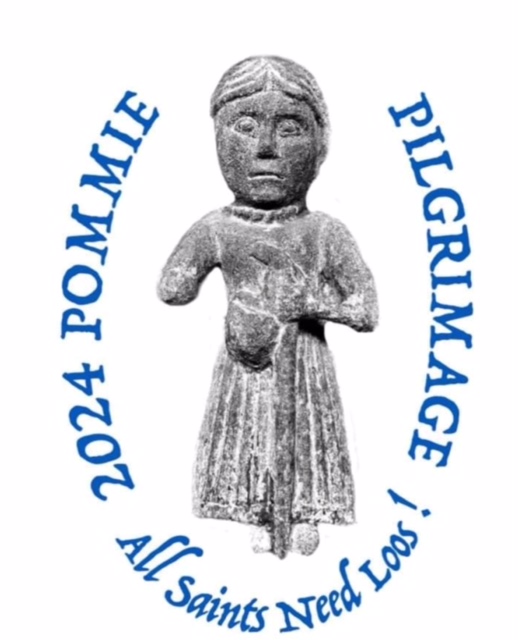
To read about the Pommie Pilgrimage, a community initiative to raise funds for new facilities at Youlgrave Church through pilgrim walks to each of the 42 Anglican cathedrals in England, go to All Saints Parish Church page
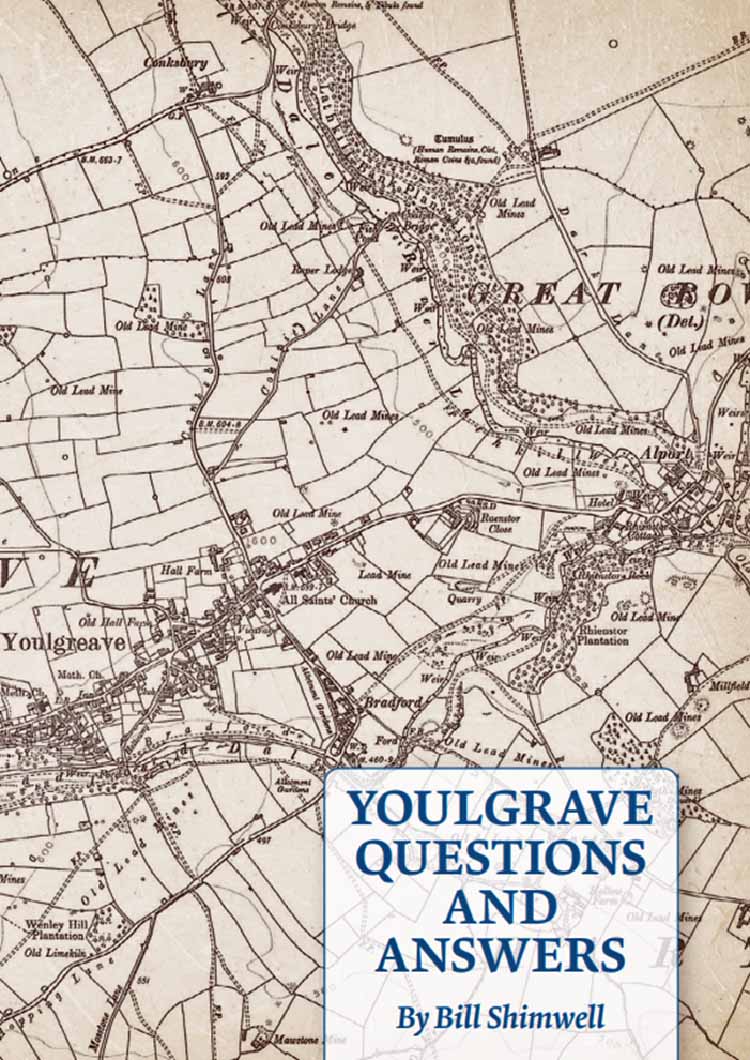
Youlgrave Questions and Answers by Bill Shimwell: Newly extended and edited booklet featuring a biography of the author by his sons, new colour photographs and additional questions and answers and editorial notes. An interesting and entertaining read and an invaluable source of fascinating and quirky information about Youlgrave. On sale from Youlgrave Post Office or via yhgenquiries2@gmail.com